Harlem Locksmiths NYC Service Team
Local locksmith team
Apr 29, 2026 9 min read
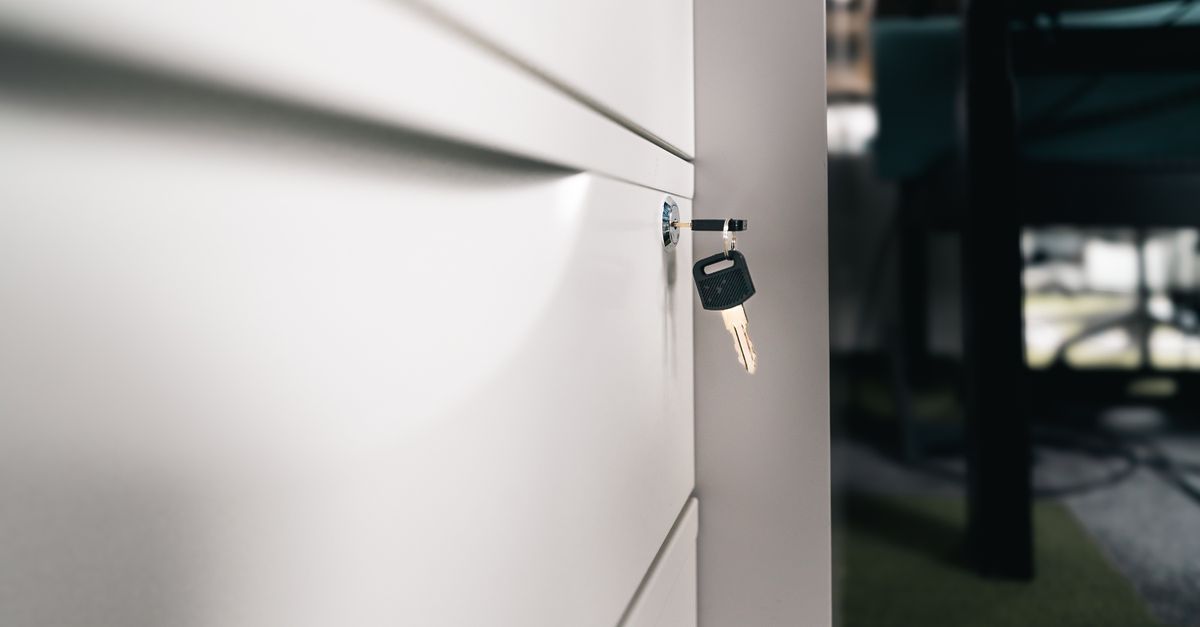
Moving into a co-op on West 116th Street or signing a new lease in a Harlem brownstone comes with a question most tenants and shareholders eventually ask: can I actually change my locks? In New York City, the answer is almost always yes — but the rules around how you do it, what hardware you use, and whether you need to notify anyone first vary significantly depending on whether you rent, own shares in a co-op, or manage a commercial space. Getting it wrong can mean a lease violation, a board dispute, or a locksmith undoing work that just cost you money.
This guide breaks down what NYC building management companies, co-op boards, and landlords typically allow — and what they don't — when it comes to a lock change. Whether you need a mortise lock swap on a pre-war apartment door, a rekeying after a roommate moves out, or a full door lock change on a commercial storefront, knowing the rules before you call a locksmith saves time, money, and headaches.
## NYC Tenant Rights: What the Law Actually Says About a Lock Change
Under New York State law, tenants have a legal right to change their locks without landlord permission — as long as they provide a copy of the new key to the building owner or superintendent upon request. This right is protected under New York City Administrative Code Section 27-2043, which was put in place specifically to protect tenants' safety and privacy. That means if your super or property manager tells you that you need their approval before doing a door lock change, they may be overstating their authority. However, the law does come with conditions: you cannot alter the door frame, you cannot install a lock that violates fire safety codes (no double-cylinder deadbolts on most residential doors, for example), and you must use hardware that is compatible with the existing door prep.
The practical takeaway is this — your right to rekey or change your locks exists, but it comes with responsibilities. If you live in a rent-stabilized or rent-controlled unit, additional rules may apply, and your lease may include specific clauses about approved lock types. Reading your lease before scheduling a lock change service is always step one.
## Co-op Boards and the Mortise Lock: What Shareholders Need to Know
Co-op apartments operate differently from standard rentals. As a shareholder, you own shares in a corporation that owns the building — you do not own your unit outright. This means your proprietary lease with the co-op board governs what modifications you can make, and lock changes often fall under that umbrella. Most Manhattan and Harlem co-op buildings, especially pre-war buildings along Lenox Avenue or Riverside Drive, were built with heavy-duty mortise lock systems as the standard door hardware. These recessed locks are built into the door edge rather than mounted on the surface, and they are a defining feature of older NYC residential doors.
Co-op boards frequently require that any replacement lock match the existing mortise lock format — both for aesthetic consistency and because the door prep is already cut for that style. Swapping a mortise lock for a cylindrical knob lock or a surface-mounted deadbolt often requires modifying the door itself, which typically requires board approval. Our experienced team at Harlem Locksmiths NYC works with mortise lock systems daily and can assess your existing door prep, recommend compatible upgrades, and perform the work in a way that satisfies most co-op building requirements. If your board has specific hardware specifications, bring that documentation when you call — it helps us match the right product the first time.
## Commercial Lock Change Rules: Businesses, Landlords, and Master Key Systems
For business owners in Harlem and across the five boroughs, a commercial lock change involves a different set of considerations than a residential swap. Commercial leases almost never grant tenants the same statutory protections that residential tenants enjoy — your right to change locks in a commercial space depends almost entirely on what your lease says. Many commercial landlords maintain a master key system that allows them access to every unit in the building for maintenance and emergency purposes. Replacing your storefront lock with hardware that is incompatible with that master key system can be a lease violation, even if the intent is to improve security.
That said, commercial tenants often have legitimate reasons to rekey after staff turnover, after a break-in attempt, or when upgrading to a high-security system. The right approach is to review your commercial lease, notify your landlord in writing, and work with a skilled commercial locksmith who understands how to integrate new hardware into an existing master key hierarchy. Our team handles commercial lock change services across Harlem storefronts, office suites, and mixed-use buildings — and we can rekey or replace locks in a way that keeps building management satisfied while giving your business the access control it needs. If you have questions about what your specific lease allows, call us at (646) 585-2813 and we will walk through the options with you before any work begins.
## How Much Does an NYC Locksmith Cost? Understanding Your Quote
One of the most common questions we hear — right up there with 'how do I find a reputable locksmith in NYC?' — is about pricing. How much does a local locksmith charge? How much should an emergency locksmith cost? The honest answer is that no reputable locksmith can give you a meaningful number without knowing the specifics of your job. The factors that shape a final quote include the type of lock being installed (a basic door knob lock versus a high-security mortise lock with a restricted keyway are very different jobs), the time of day (emergency locksmith calls at 2 a.m. involve different logistics than a scheduled afternoon appointment), travel distance to your location, and whether any parts need to be sourced on the spot.
How much does an emergency locksmith cost near me? Again, it depends — but at Harlem Locksmiths NYC, our practice is to confirm a firm, up-front price before a single tool comes out of the bag. You will know exactly what you are paying before work begins, with no hidden fees added afterward. How much do locksmiths charge on average in New York City? Rates vary widely across providers, which is one reason it matters to work with an experienced team that is transparent about pricing from the first call. We are also fully insured, which protects you and your property for every job we perform.
## Our Lock Change Services: What We Handle Across New York
Harlem Locksmiths NYC is a 24/7 mobile lock change service covering Manhattan, the Bronx, Brooklyn, Queens, and surrounding areas. Our skilled technicians are trained on a wide range of residential, commercial, and emergency locksmith services. Here is a specific look at what we offer: mortise lock installation and replacement, mortise lock rekeying, high-security deadbolt installation, cylindrical door knob lock replacement, keypad and smart lock installation, master key system setup and rekeying, co-op-approved lock upgrades, commercial lock change for storefronts and offices, panic bar and exit device installation, mailbox lock replacement, intercom-integrated lock servicing, lock change after tenant move-out, lock change after break-in or attempted forced entry, emergency lockout assistance (residential), emergency lockout assistance (commercial), eviction lock change, safe lock rekeying and combination reset, padlock replacement, garage door lock service, sliding door lock replacement, security door reinforcement hardware, restricted keyway system installation, door lock change for pre-war doors, key duplication for co-op residents, and lock change consultation for buildings with master key systems. Whether you manage a single apartment or an entire mixed-use building on Adam Clayton Powell Jr. Boulevard, our team has the tools and training to handle the job correctly the first time. Call (646) 585-2813 — we answer 24/7.
Frequently asked questions
Do I need my landlord's permission to change my locks in a New York City apartment?+
Under New York City law, residential tenants generally do not need prior permission from a landlord to change their locks. However, you are required to provide the landlord or superintendent with a copy of the new key upon request. Your lease may also specify approved lock types or formats — particularly in co-op buildings where mortise lock compatibility is a common requirement — so reviewing your lease before scheduling a lock change service is always a smart first step.
How do I find a reputable locksmith in NYC that my co-op board will accept?+
Start by asking your building's property manager or super whether they have a list of preferred vendors or approved lock hardware brands. Then look for a locksmith who is experienced with the specific door prep in your building — most pre-war co-op buildings in Harlem and Manhattan use mortise lock systems that require specialized knowledge. At Harlem Locksmiths NYC, we work with co-op hardware requirements regularly and can match replacement locks to your building's existing specifications. Call us at (646) 585-2813 before purchasing any hardware so we can confirm compatibility first.
Can a commercial tenant change the locks on a leased business space?+
It depends entirely on your commercial lease. Unlike residential tenants, commercial tenants in New York City do not have a statutory right to change their locks. Many commercial leases require landlord notification or approval, especially in buildings with master key systems. A commercial lock change done without proper review can result in a lease violation. Our team can perform a commercial lock change in a way that satisfies both your security needs and your landlord's access requirements — but we always recommend reviewing your lease and notifying your landlord in writing first.
What factors affect how much a lock change costs in New York City?+
Several variables shape the final price: the type of lock being replaced (a mortise lock job involves more labor than a simple knob lock swap), whether the work is scheduled in advance or requested as an emergency locksmith call, the travel distance to your location, and whether specific parts need to be sourced for your door. At Harlem Locksmiths NYC, we provide a confirmed, up-front quote before any work starts — no surprises when the job is done. To get an accurate estimate for your specific situation, call (646) 585-2813 and describe your door and lock type.